
Love the tangy, spicy, umami explosion of real Korean kimchi from your favorite banchan spread? This traditional homemade version captures that classic fermented depth—crisp napa cabbage coated in vibrant red gochugaru paste, with garlic, ginger, and subtle sweetness. It’s fresher, more flavorful, and far better than store-bought, plus you control the heat and salt.
This easy kimchi recipe is a beginner-friendly adaptation of authentic tongbaechu-kimchi (whole cabbage style), simplified for home kitchens while staying true to tradition. As a home cook with 10+ years recreating global favorites, this was personally tested 3–4 times with photos of each batch for perfect fermentation and balance. Inspired by masters like Maangchi and My Korean Kitchen, it’s naturally probiotic-rich and gluten-free. Ferment time: 1–5 days at room temp, then fridge for ongoing flavor. Ready to make the best kimchi recipe at home? Let’s get fermenting!
Prep and Cook Information
| Detail | Information |
|---|---|
| Prep Time | 45–60 minutes (plus salting) |
| Active Time | 30 minutes |
| Fermentation Time | 1–5 days room temp + ongoing in fridge |
| Total Time | 2–7 days to ready-to-eat |
| Yield | About 3–4 quarts (8–10 cups) |
| Calories per Serving | ~50–70 kcal (¼ cup) |
| Difficulty | Intermediate (fermentation) |
Ingredients
For Salting the Cabbage:
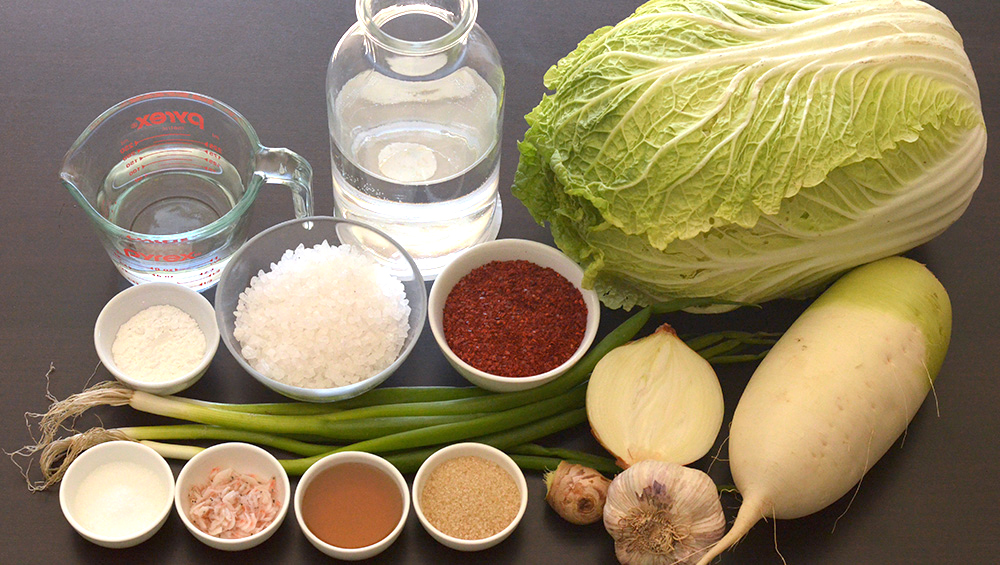
- 2 large heads napa cabbage (about 4–5 lbs / 1.8–2.3 kg total)
- ½–¾ cup coarse sea salt or kosher salt (non-iodized; adjust for cabbage size)
For the Seasoning Paste (Yangnyeom):
- 1 cup gochugaru (Korean red chili flakes; adjust for heat)
- ½ cup glutinous rice flour (sweet rice flour) or regular rice flour
- 2 cups water (for porridge)
- ¼–⅓ cup fish sauce (or vegan: soy sauce + extra salt)
- ¼ cup salted fermented shrimp (saeujeot; optional for umami; omit for vegan)
- 8–10 garlic cloves, minced
- 2-inch piece fresh ginger, minced
- 1 small onion, roughly chopped
- 1 Asian pear or apple (for natural sweetness), peeled & pureed
- 2–3 Tbsp sugar or plum extract
- 1 daikon radish (about 1 lb), julienned into matchsticks
- 4–6 green onions, cut into 2-inch pieces
- Optional: ½ cup Korean chives (buchu) or more green onions
Step-by-Step Instructions
- Salt the cabbage (4–6 hours): Cut napa cabbage lengthwise into quarters (keep core intact). Rinse, then layer in large basin with salt between leaves. Pour saltwater (dissolve salt in water) over. Weigh down with plate; let brine 4–6 hours (flip halfway). Leaves should bend easily without snapping.
:max_bytes(150000):strip_icc()/20210520-baechu-kimchi-Step2-tim-chin-seriouseats-collage-a01915dd0090415987395c7ef8faa66b.jpg)
- Rinse & drain (10 minutes): Rinse cabbage thoroughly under cold water 3 times to remove excess salt. Drain well (squeeze gently). Cut into bite-size pieces if desired (traditional whole-leaf for pogi style).
- Make porridge base (10 minutes): In saucepan, whisk rice flour with water. Cook over medium heat, stirring until thick glue-like porridge forms (5–7 minutes). Cool slightly.
- Blend seasoning paste (5 minutes): In blender/food processor: porridge, garlic, ginger, onion, pear/apple, fish sauce, sugar. Blend smooth. Mix in gochugaru to form bright red paste.
- Mix everything (10 minutes): In large bowl, combine drained cabbage, radish matchsticks, green onions, and paste. Wear gloves—massage paste thoroughly into every leaf.
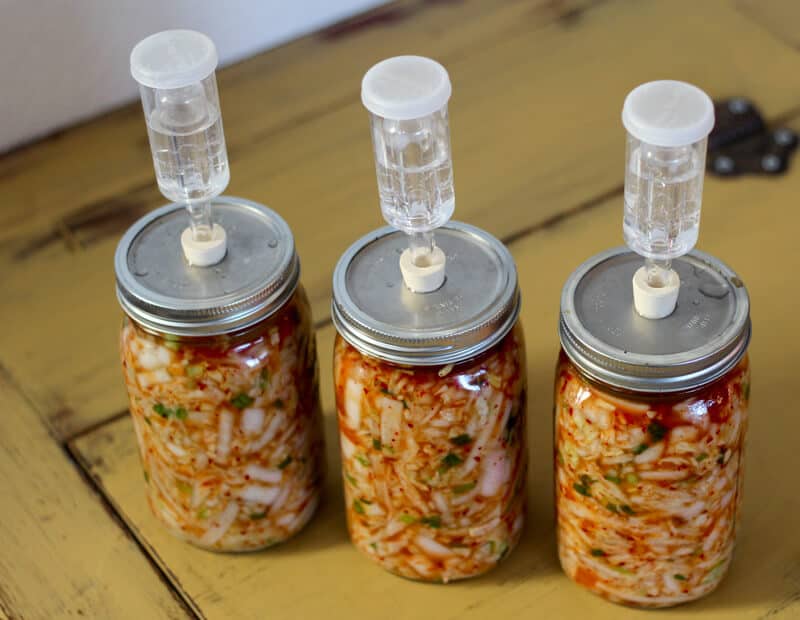
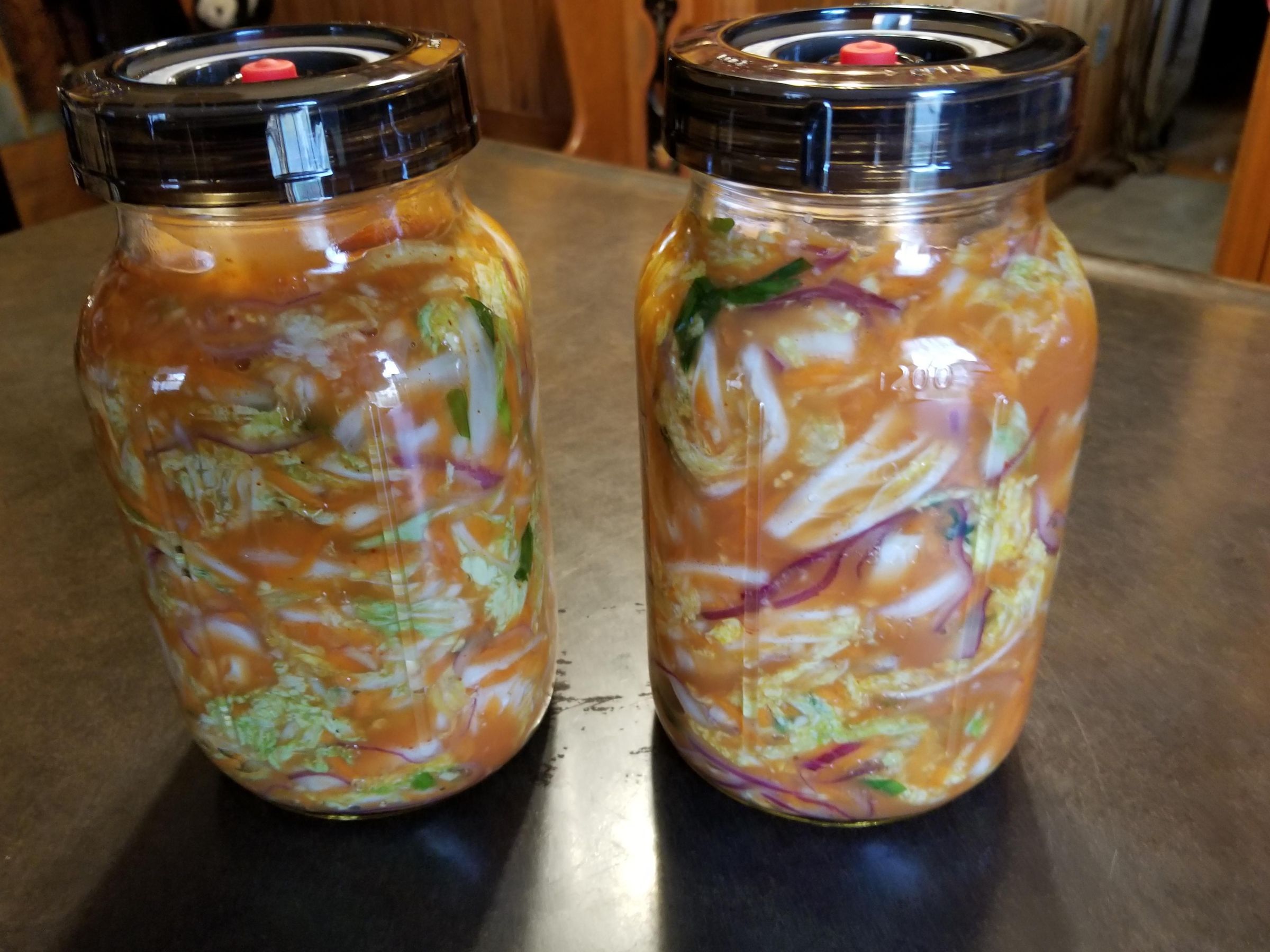
- Pack into jars (5 minutes): Tightly pack into clean glass jars/containers, pressing down to remove air bubbles. Leave 1–2 inches headspace. Seal loosely (or use fermentation lids).
- Ferment (1–5 days): Leave at room temperature (65–75°F ideal). Burp daily (open to release gas). Taste after 1–2 days—ferment longer for more sourness. Move to fridge when tangy enough.
- Enjoy: Ready when bubbly and tangy. Best after 1–2 weeks in fridge for peak flavor.

Cooking Tips
- Salt amount: Taste brine—should be salty like sea water. Too much = too salty kimchi.
- Gloves essential: Gochugaru stains hands and burns skin.
- Fermentation temp: Warmer = faster; cooler = slower. Ideal 68–72°F.
- Bubble check: Bubbles = good lacto-fermentation. Smell should be tangy, not rotten.
- Vegan version: Omit fish sauce/shrimp; use soy sauce + extra salt or miso.
- Spice control: Start with less gochugaru; add more next batch.
- Storage jars: Use wide-mouth mason jars; burp daily first week.
- Safety: Use clean tools; submerge cabbage fully in paste to prevent mold.
Serving Ideas
- Classic banchan: Side with rice, grilled meat, or bibimbap.
- Kimchi fried rice: Sauté with leftover rice and egg.
- Kimchi jjigae: Stew with pork/tofu for ultimate comfort.
- Tacos or burgers: Add for spicy crunch.
- Salad boost: Chop into fresh veggie bowls.
- Snack: Eat straight from jar when craving tangy bite.
Storage & Reheating Tips
- Fridge: Lasts 3–6 months (flavor deepens); keep submerged in brine.
- Fermentation ongoing: Bubbles slow in fridge; still edible even if very sour.
- No reheating needed: Serve cold/room temp; heat gently for soups/stews.
- Freezer: Portion and freeze up to 6 months (texture softens but flavor ok).
Variations & Substitutes
| Original Ingredient | Variation/Substitute | Why It Works |
|---|---|---|
| Napa cabbage | Green cabbage or bok choy | Milder, quicker ferment. |
| Gochugaru | Cayenne + paprika mix | Heat approximation (less authentic). |
| Fish sauce | Soy sauce + miso | Vegan umami boost. |
| Asian pear | Apple or pear | Natural sweetness. |
| Radish | Carrots or omit | Crunch alternative. |
| No shrimp | Extra garlic/ginger | Cleaner taste. |
Healthier Options & Nutrition
Kimchi is probiotic-rich for gut health, low-calorie, and vitamin-packed (C, K). Reduce salt for lower sodium; use less gochugaru for milder. Vegan/gluten-free friendly.
Full Nutrition Table (Per ¼ cup Serving – Approximate)
| Nutrient | Amount | % Daily Value |
|---|---|---|
| Calories | 60 kcal | 3% |
| Total Fat | 1g | 1% |
| Saturated Fat | 0g | 0% |
| Sodium | 500–800mg | 22–35% |
| Total Carbohydrates | 10g | 4% |
| Dietary Fiber | 3g | 11% |
| Sugars | 4g | – |
| Protein | 2g | 4% |
| Vitamin C | 20mg | 22% |
| Vitamin K | 40mcg | 33% |
| Calcium | 50mg | 4% |
Expert Notes
From a professional home chef perspective:
- Authentic base: Maangchi-style porridge thickens paste; prevents watery kimchi.
- Fermentation magic: Lactobacillus creates tang—taste daily after day 2.
- Brining key: 4–6 hours = perfect wilt without mush.
- Gochugaru quality: Korean brands (fine/coarse mix) for best color/flavor.
- Small batch tip: Halve recipe first time.
- Kimjang spirit: Traditional fall making; scale up for winter supply.
- Troubleshooting: Too salty? Rinse leaves more; too mild? More gochugaru next time.
FAQs
How long does homemade kimchi take to ferment?
1–5 days at room temp (taste daily); transfer to fridge for slower ongoing fermentation. Best flavor after 1–2 weeks refrigerated.
Is kimchi vegan?
Traditional often includes fish sauce/shrimp—use soy sauce or miso for fully vegan version without losing umami.
What if my kimchi is too salty?
Rinse cabbage more after brining next time, or dilute paste with extra pear/onion. It mellows during fermentation.
Can I make small-batch kimchi?
Yes—halve ingredients for 1–2 quarts. Perfect for beginners.
Why use glutinous rice flour?
Creates thick paste that clings to cabbage; substitute regular rice flour if unavailable.
How spicy is kimchi?
Adjust gochugaru amount—start with ¾ cup for medium heat.
Is homemade kimchi safe?
Yes—lacto-fermentation is safe with proper salt (prevents bad bacteria). Burp jars, keep submerged.
How long does kimchi last in the fridge?
3–6 months (gets sourer over time). Still good even when very tangy—great for cooking.
Conclusion
This kimchi recipe brings authentic Korean fermentation home—tangy, spicy, probiotic-packed, and endlessly versatile. From banchan side to fried rice star, it’s worth the wait. Start small, taste often, and enjoy the evolving flavor. Share your jars and results—we love seeing your kimchi journey!
If you are a food lover, visit our blog website therecipetaste.com.
Classic Tomato Bruschetta Recipe
Chili Honey Garlic Salmon Bowls