
Kadha Recipe for Cold and Cough: When cold, cough, sore throat, or seasonal flu hits, nothing beats the comfort of a warm, fragrant Kadha — a traditional Ayurvedic herbal decoction. This powerful home remedy combines ginger, tulsi (holy basil), black pepper, cinnamon, and other healing spices to help relieve symptoms, boost immunity, clear congestion, and soothe the throat naturally.
Kadha works by balancing the body’s doshas, promoting detoxification, and providing anti-inflammatory and antimicrobial benefits. It’s caffeine-free, easy to make, and a staple in Indian households during monsoon or winter seasons.
Disclaimer: This kadha recipe is a traditional Ayurvedic home remedy for supportive care. It is not a substitute for medical treatment. If symptoms persist, worsen, or you have fever, difficulty breathing, or underlying health conditions, consult a doctor immediately.
.jpg?tr=q-80,f-webp,w-450,dpr-3,c-at_max%20450w)
Prep and Cook Information: Kadha Recipe for Cold and Cough
| Detail | Information |
|---|---|
| Prep Time | 5 minutes |
| Cook Time | 12-15 minutes |
| Total Time | 20 minutes |
| Servings | 2-3 cups |
| Calories per Serving | Approximately 15-25 kcal |
| Difficulty | Very Easy |
Ingredients (for 2-3 servings)
- 2 cups water
- 1-inch piece fresh ginger, crushed or grated
- 8-10 fresh tulsi (holy basil) leaves (or 1 tsp dried)
- ½ tsp black peppercorns, coarsely crushed
- 1 small stick cinnamon (dalchini)
- 2-3 cloves (laung)
- ½ tsp turmeric powder (haldi)
- 1-2 tsp fresh lemon juice (added after boiling)
- 1-2 tsp raw honey or jaggery (optional, add after cooling slightly — never boil honey)
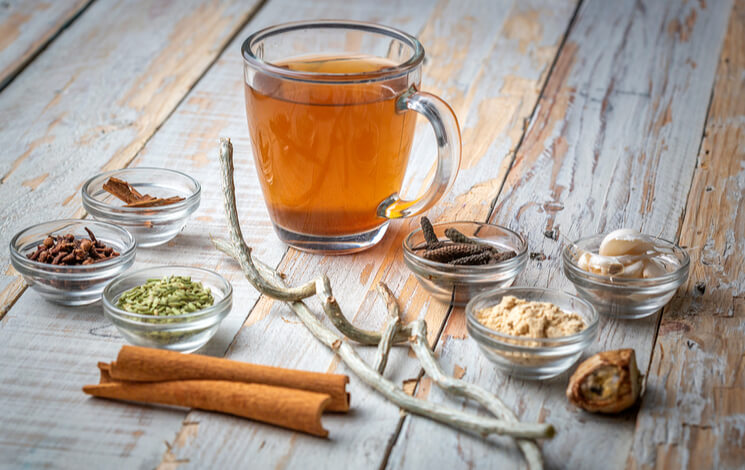
- Optional additions: 1-2 crushed cardamom pods, ½ tsp fennel seeds, or a pinch of mulethi (licorice) for extra soothing
Quick Nutrition & Benefits Table (Per Serving – Approximate)
| Benefit / Nutrient | Details |
|---|---|
| Calories | 15-25 kcal |
| Key Minerals | Gingerol, Piperine, Curcumin |
| Main Benefits | Soothes throat, clears congestion, boosts immunity |
| Anti-inflammatory | High (from ginger + turmeric) |
Step-by-Step Instructions
- Prepare ingredients (3 minutes): Crush ginger, black pepper, and cloves lightly. Wash tulsi leaves.
- Boil water (2 minutes): In a saucepan, bring 2 cups water to a boil.
- Add spices (1 minute): Add crushed ginger, tulsi leaves, black pepper, cinnamon, cloves, and turmeric. Stir well.
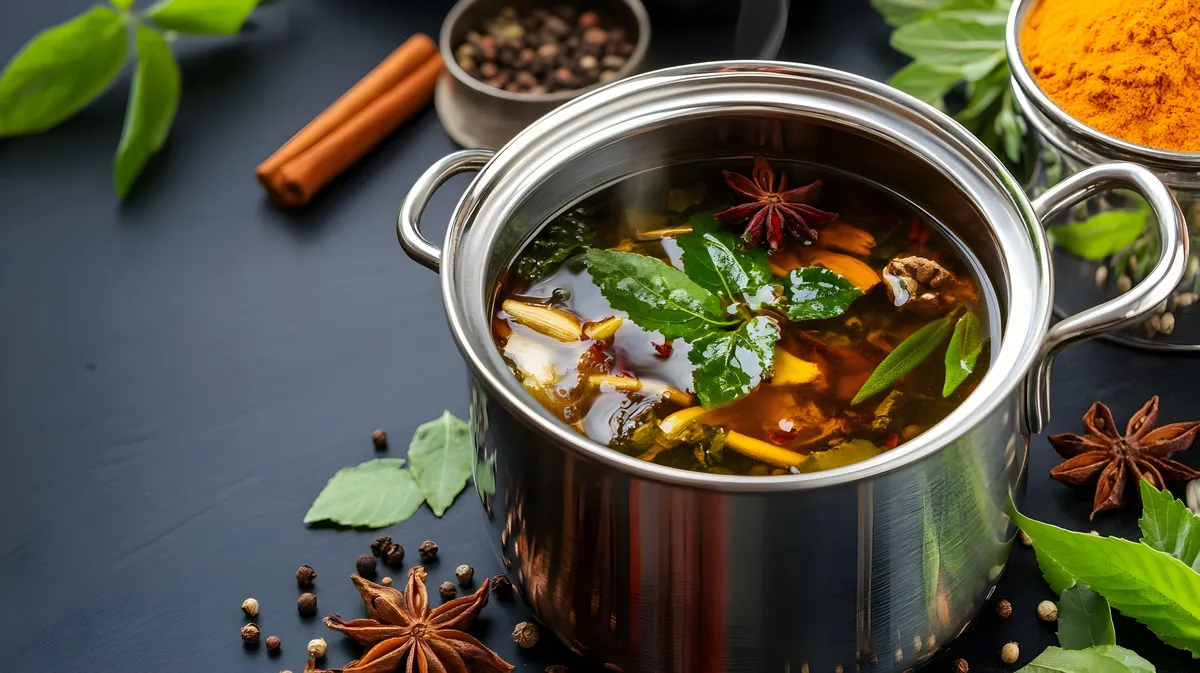
- Simmer the kadha (10-12 minutes): Reduce heat to medium-low and let it simmer uncovered until the water reduces to about 1–1½ cups and turns aromatic (golden-brown color). Stir occasionally.
- Strain (1 minute): Turn off heat and strain the kadha into cups using a fine sieve.
- Add final touches (1 minute): Stir in fresh lemon juice. If using honey, wait until the kadha is warm (not hot) before adding.

- Serve hot: Sip slowly while warm, 1-2 times a day (morning and evening recommended during cold/cough).
- Storage tip: Best consumed fresh. You can make a larger batch and refrigerate for up to 24 hours; reheat gently before drinking.
Cooking Tips
- Use fresh ingredients whenever possible — dried tulsi works but fresh gives better aroma.
- Simmer gently: Do not boil vigorously after adding spices to preserve medicinal properties.
- Adjust strength: For stronger kadha, increase ginger and pepper; for milder, reduce black pepper.
- Honey rule: Never add honey to boiling hot liquid — it loses its benefits.
- Lemon last: Add after straining to retain vitamin C.
- For kids: Reduce black pepper and add more honey for palatability.
- Consistency: The kadha should be strong but drinkable — not too watery.
Serving Ideas
- Drink plain and hot for best results during cold and cough.
- Add a few fresh mint leaves for extra freshness.
- Serve with a light meal like khichdi or soup for comfort.
- Evening kadha: Enjoy before dinner to promote good sleep.
- Immunity boost: Drink daily during seasonal changes even when healthy.
Storage & Reheating Tips
- Consume fresh for maximum benefits.
- Refrigerate leftover kadha up to 24 hours in a glass bottle.
- Reheat gently on stovetop or microwave — do not boil again.
- Add fresh lemon and honey only after reheating.
Variations & Substitutes
| Original Ingredient | Variation/Substitute | Why It Works |
|---|---|---|
| Fresh tulsi | Dried tulsi or basil leaves | Still provides soothing and immunity benefits. |
| Ginger | Dry ginger powder (saunth) | Convenient when fresh ginger is unavailable. |
| Black pepper | Long pepper (pippali) | Stronger respiratory support in Ayurveda. |
| Lemon juice | Orange juice or skip | Adds vitamin C; can be omitted if acidity is an issue. |
| Honey | Jaggery or skip | Natural sweetener; jaggery for vegan version. |
| Basic kadha | Add mulethi or ashwagandha | Extra soothing for dry cough and stress relief. |
Healthier Options & Benefits
This kadha is naturally low-calorie, caffeine-free, and packed with antioxidants. Ginger and black pepper help with digestion and congestion, tulsi boosts immunity, turmeric reduces inflammation, and cinnamon provides warmth. For best results, drink while warm and combine with rest, steam inhalation, and a balanced diet.
Note: This is a supportive home remedy. It may help relieve mild symptoms of cold and cough but is not a cure. Pregnant women, children under 5, or people with medical conditions should consult a doctor before consuming.
Expert Notes
From a professional home chef & wellness perspective:
- The secret to effective kadha is slow simmering — it extracts the medicinal compounds without destroying them.
- Black pepper enhances the absorption of turmeric’s curcumin.
- Fresh tulsi is most potent; grow a small plant at home if possible.
- Drink on an empty stomach in the morning for better absorption.
- During severe cough, add a pinch of licorice root for extra throat soothing.
Multimedia
FAQs
How often can I drink kadha for cold and cough?
1–2 cups per day is generally safe for adults during illness. Once symptoms improve, reduce to once daily for immunity support.
Is kadha safe for children?
Yes, in smaller quantities with reduced black pepper and more honey. Consult a pediatrician for children under 5.
Can I drink kadha every day even when healthy?
Yes — many people drink a mild version daily during winter or monsoon for preventive immunity boosting.
Does kadha help with sore throat?
Yes — the warm spices and herbs help soothe inflammation and provide relief from throat irritation.
Can I add milk to kadha?
Traditional kadha is made with water. Adding milk makes it like herbal tea but may reduce some detox benefits.
What if I don’t have tulsi?
You can still make kadha with ginger, black pepper, cinnamon, and turmeric — it will still be effective.
How long should I boil kadha?
Simmer for 10–15 minutes until the water reduces by half. Over-boiling can make it bitter.
Is it okay to drink kadha at night?
Yes, a mild cup 1–2 hours before bed can help with cough and promote better sleep.
Conclusion
This soothing kadha recipe for cold and cough is a time-tested Ayurvedic remedy that offers natural relief, warmth, and immunity support with simple kitchen ingredients. Its aromatic spices and herbs work together to ease symptoms and help you feel better faster. Make it a part of your winter wellness routine — your body will thank you! Stay healthy, sip mindfully, and share your experience with us.
If you are a food lover, visit our blog website therecipetaste.com.