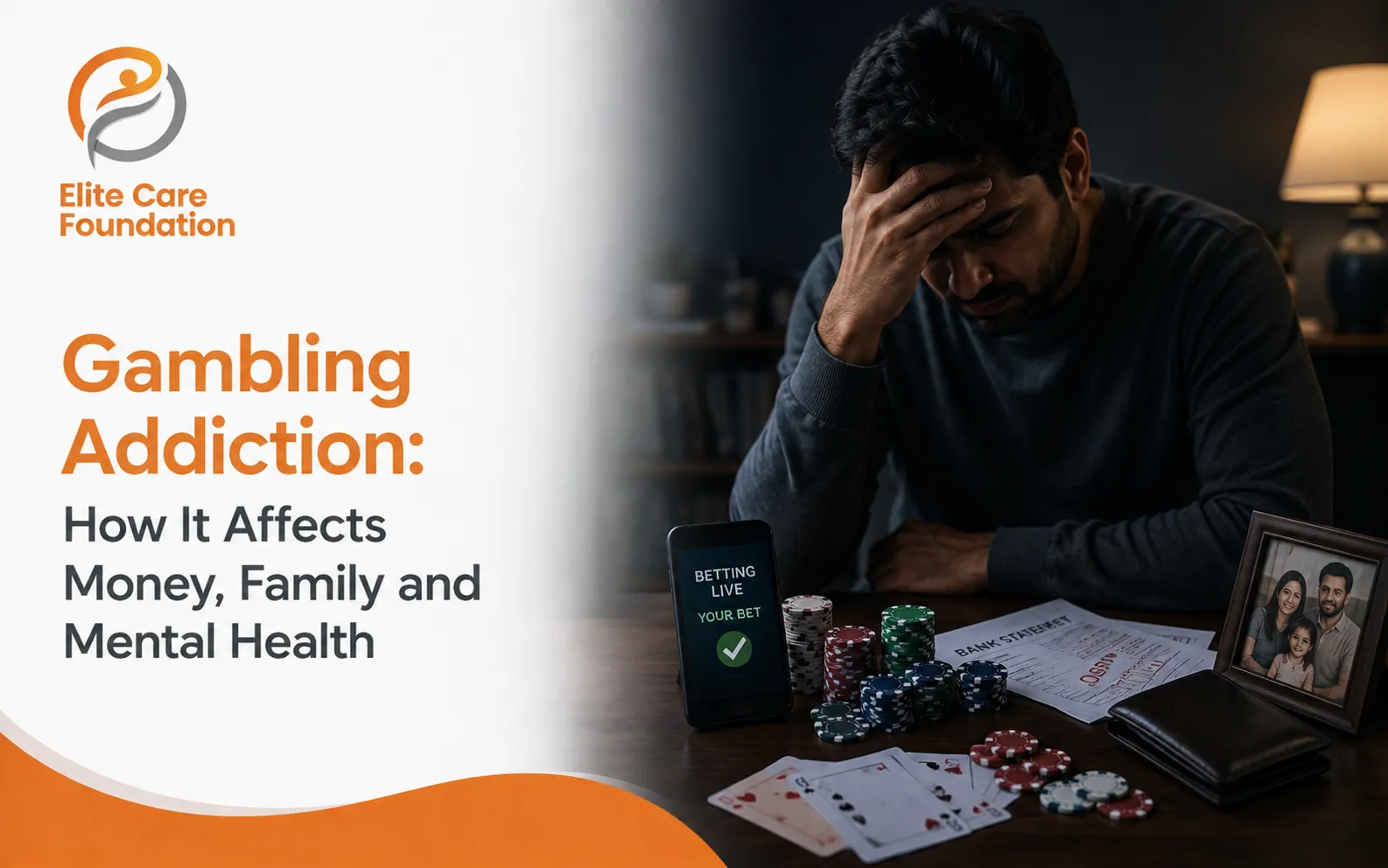
Gambling harm is not measured only by the amount lost. A person may still have an income and appear organised while hiding loans, chasing losses or spending every free hour on betting apps. The central warning sign is loss of control. Gambling begins to take priority over work, relationships, sleep and financial safety, yet it continues despite clear damage.
Three features that deserve attention
The World Health Organization’s 2024 gambling fact sheet summarises three ICD-11 features: impaired control, increasing priority given to gambling, and continuation or escalation despite negative consequences. An occasional bet does not meet this description. Concern rises when a pattern becomes persistent and causes significant impairment.
Warning signs can include secret accounts, repeated borrowing, selling assets, using business funds, lying about losses, missed bills and irritability when unable to gamble. Chasing is especially risky: the person returns to recover earlier losses but often increases the debt. Depression, anxiety, alcohol use and suicidal thoughts may occur alongside gambling problems. Any talk of self-harm, disappearance or feeling that the family would be better off without the person needs urgent professional attention.
Treatment needs more than financial advice
Blocking apps and limiting access to money can reduce immediate opportunity, but they do not address urges, distorted beliefs or emotional triggers. Treatment may include motivational interviewing, cognitive behavioural therapy, relapse-prevention work and care for depression or substance use. Sessions examine beliefs about luck, near misses and the idea that one final win will solve the debt.
People exploring rehabs in Mumbai should check whether the programme has experience with behavioural addictions. A substance-focused detox routine alone is not suitable for gambling disorder. The plan should include psychological care, financial safeguards and preparation for easy access to online betting after discharge.
A safer role for the family
Families may need to protect joint accounts, documents and essential payments. These steps should be clear and lawful. Secretly paying every debt can allow gambling to continue, while public humiliation can increase hopelessness. A written plan can set spending limits, debt priorities and steps to follow after an urge or lapse. The person should remain involved wherever safety permits.
Online access changes the risk
Betting is now available at home, during travel and late at night. A treatment plan should therefore cover bank alerts, payment apps, credit, borrowed accounts and promotional messages. Blocking tools may help, but the person also needs a response for the moment an urge appears. This might include leaving the private space, contacting a named support person and waiting before any money transfer. Debt advice should focus on a realistic repayment order, not on gambling as a way to solve the debt.
In Mumbai, irregular work hours, crowded homes and easy digital payments can complicate supervision. The plan must remain workable after normal phone and banking access returns. Treatment is stronger when financial controls and psychological care are reviewed together.
Structured gambling addiction treatment in India should address behaviour, mental health, relationships and money together. Progress may begin with honest disclosure and blocked access, but lasting change also requires new ways to handle stress, boredom and the wish to win back losses. Regular follow-up is important after an early period without gambling because confidence can rise faster than control. Financial access should be restored gradually and reviewed against agreed signs of stability.