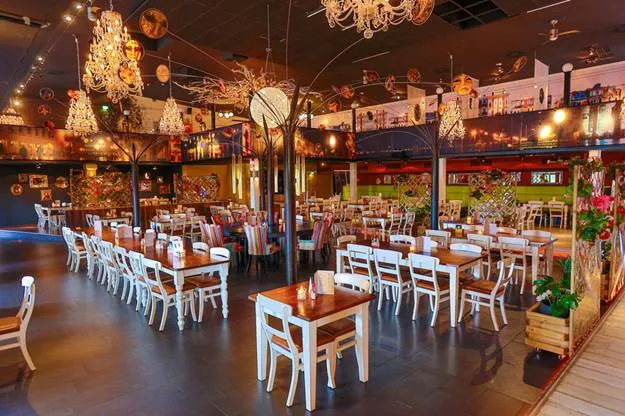
A restaurant visit with family or friends should be more than a meal away from home. It is a chance to sit together, catch up and step away from everyday routines for a while. Italian cuisine suits these occasions well: it offers variety, invites people to explore different flavours and can be enjoyed as a light meal or a leisurely sequence of courses, depending on the appetite and the occasion.
A little planning can help the evening begin smoothly. Making a reservation gives the restaurant advance notice of your group size and any special requests. Once there, take time to choose rather than treating the meal as another item on a busy schedule. That slower pace can turn dinner into a shared experience everyone remembers fondly.
One occasion, many tastes
When several generations dine together, preferences often differ. Some guests enjoy familiar flavours, while others are eager to try something new. Children may prefer simple, manageable choices. A varied menu can make selection easier, but an open conversation at the table is just as useful: What sounds appealing? Would anyone prefer a smaller portion or like to share a few dishes?
Italian dining offers a relaxed setting for that kind of meal. Sharing a starter can be a pleasant way to begin before everyone chooses a main course. If you plan several courses, leave time between them for conversation. A convivial dinner does not have to feel formal. What matters is that everyone is comfortable and no one feels rushed.
A simple sequence might be to choose a small starter together, order according to each person’s appetite and, if there is room, finish with dessert. It is not a rule or a required ritual—just one way to bring different preferences together around the table.
Drinks can also be part of the shared experience. Some guests may choose wine, while others prefer water or a non-alcoholic option. When children are part of the group or guests have different preferences, deciding together can make ordering easier. If anyone has questions about ingredients or allergens, ask the restaurant directly rather than relying on assumptions.
Choosing the right restaurant for the evening
The food is not the only factor to consider when choosing a restaurant. Atmosphere, location, the occasion and the make-up of the group all play a part. A welcoming setting may be especially important for a family dinner; a get-together with friends might call for a relaxed evening, while a celebration may feel right in a more polished atmosphere.
In Moers, Kastanienhof describes its offering as upscale Italian cuisine in a friendly atmosphere and stylish setting. If you are planning a visit, check the restaurant’s current information and contact the team with any questions. This can help you align expectations about the menu, group size and arrangements before you arrive.
A reservation is particularly helpful for a larger group. When booking, share the number of guests and the occasion if relevant. If children are coming, you can ask whether suitable seating is available. It is also worth mentioning allergies, intolerances or dietary requirements in advance. The restaurant can then tell you which requests it may be able to accommodate.
Taking your time with the menu
There is no need to study the entire menu before the evening begins. It can help to start with a simple question: What are you in the mood for—a lighter meal, a familiar favourite or something different? If you have questions about preparation, ingredients or portion sizes, ask the staff. Direct questions are particularly important for food intolerances because a general menu description may not explain every ingredient or possible cross-contact.
Sharing can be enjoyable, but not every dish is equally suited to it, and some guests may prefer an individual portion. A quick conversation before ordering can prevent misunderstandings and help everyone feel comfortable with the choices. Children can be included in the discussion, too. If the menu offers suitable options, asking about a simpler choice may make the meal easier for them.
For many diners, dessert or an espresso is a pleasant way to finish. But there is no fixed sequence everyone has to follow. If you are full, you can linger over a drink; if you still have room, choose something sweet. The meal should suit the people at the table, not the other way around.
Small preparations can make a difference
A relaxed restaurant visit often starts before you arrive. Check the current address, how to get there and your reservation details. If the group size changes, let the restaurant know as early as you can. For a special occasion, it may also be helpful to ask in advance whether there are any timing or arrangement details to keep in mind.
At the table, one simple rule helps: ask rather than assume. Whether the question is about ingredients, allergens, a child-friendly option or a drink recommendation, the restaurant team can provide the most accurate information about its current offering. That leaves more room for what a shared meal is really about: talking, enjoying the food and being together.
An evening worth remembering
A memorable Italian dinner does not need an elaborate plan. A setting that suits the occasion, a little coordination when choosing dishes and enough time to talk are often all it takes. Considering the group’s needs and asking questions early can help create a more comfortable visit.
Whether it is a family dinner, a gathering with friends or a small celebration, Italian dining in Moers can be a way to enjoy good company as well as a meal. With a reservation, clearly communicated requests and a relaxed pace, dinner can become a pleasant evening—not only because of the food, but because of the people sharing it.