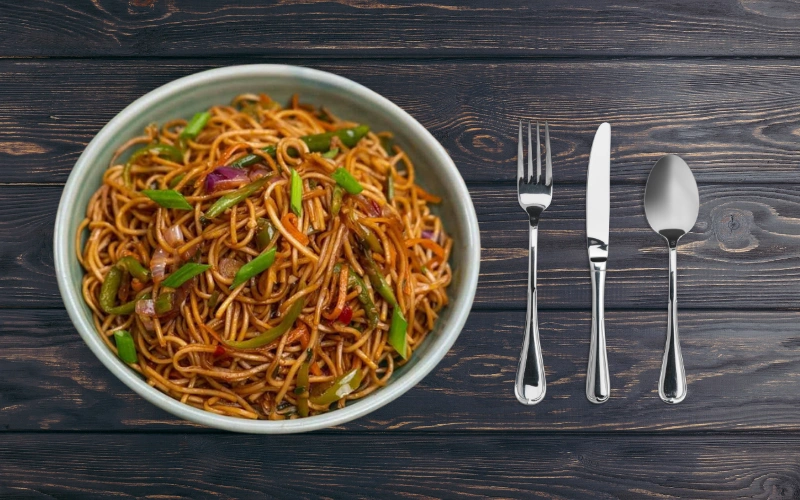
If you’re craving a vibrant, tangy, and absolutely delicious street food experience, this Burmese Atho recipe is exactly what you need. Originating from the bustling streets of Myanmar and popularized across South India, Burmese Atho is a beloved noodle dish that combines chewy noodles with a medley of fresh vegetables, aromatic spices, and zesty sauces. Whether you’ve searched for “Burmese Atho near me” or wondered “what is Burmese Atho,” this comprehensive guide will help you create this Indo-Burmese masterpiece right in your kitchen.
Popular in cities like Trichy, Chennai, Bangalore, and Perambalur, this easy recipe brings restaurant-quality flavors to your home. Perfect as a quick snack or light meal, homemade Burmese Atho is surprisingly simple to make and endlessly customizable to suit your taste preferences.
What is Burmese Atho?
Burmese Atho is a popular Indo-Burmese street food dish featuring wheat-based noodles tossed with crunchy vegetables, tangy sauces, and aromatic seasonings. The dish is known for its unique texture and flavor profile that balances spicy, tangy, and savory notes perfectly.
Key Characteristics:
- Noodles: Chewy, wheat-based flat noodles
- Flavor Profile: Tangy, spicy, and slightly sweet
- Texture: Combination of soft noodles and crunchy vegetables
- Origin: Myanmar (Burma), adapted in South Indian cities
Ingredients for Burmese Atho
Main Ingredients
| Ingredient | Quantity | Notes |
|---|---|---|
| Wheat noodles (flat) | 200g | Can use ready-made Atho noodles |
| Cabbage (shredded) | 1 cup | Finely sliced |
| Carrot (julienned) | 1/2 cup | Thin strips |
| Onion (sliced) | 1 medium | Thinly sliced |
| Spring onions | 2 stalks | Chopped |
| Garlic (minced) | 6-8 cloves | Freshly minced |
| Green chilies | 2-3 | Adjust to taste |
| Boiled chickpeas | 1/2 cup | Optional but recommended |
Sauce & Seasoning
| Ingredient | Quantity | Purpose |
|---|---|---|
| Soy sauce | 2 tablespoons | Umami flavor |
| Vinegar | 1 tablespoon | Tanginess |
| Tomato ketchup | 2 tablespoons | Sweetness & color |
| Red chili sauce | 1 tablespoon | Heat |
| Sugar | 1 teaspoon | Balance flavors |
| Salt | To taste | Seasoning |
| Black pepper powder | 1/2 teaspoon | Spice |
For Garnish & Finishing
- Fresh coriander leaves (chopped)
- Lemon wedges
- Fried garlic chips
- Crushed peanuts (optional)
- Cooking oil – 3 tablespoons
Step-by-Step Instructions: How to Make Burmese Atho
Step 1: Prepare the Noodles
Cook the Burmese Atho noodles according to package instructions. If using regular wheat noodles, boil them in salted water for 8-10 minutes until al dente. Drain and rinse under cold water to stop the cooking process. Toss with a teaspoon of oil to prevent sticking. Set aside.
Step 2: Prepare the Vegetables
While the noodles cook, prepare all your vegetables. Finely shred the cabbage, julienne the carrots into thin strips, thinly slice the onions, and chop the spring onions. Mince the garlic cloves and slit the green chilies. Having everything ready makes the cooking process smooth and quick.
Step 3: Make the Sauce Mixture
In a small bowl, combine soy sauce, vinegar, tomato ketchup, red chili sauce, sugar, and a pinch of salt. Mix well until the sugar dissolves completely. This tangy-sweet sauce is the heart of authentic Burmese Atho food. Taste and adjust the balance according to your preference.
Step 4: Stir-Fry the Aromatics
Heat oil in a large wok or pan over high heat. Add minced garlic and green chilies. Stir-fry for 30 seconds until fragrant but not browned. The aroma should fill your kitchen at this point.
Step 5: Add Vegetables
Add sliced onions and stir-fry for 1 minute. Then add carrots and cabbage. Toss everything together on high heat for 2-3 minutes. The vegetables should remain crunchy, not mushy. This texture contrast is essential for the perfect Burmese Atho dish.
Step 6: Combine Everything
Add the cooked noodles to the wok. Pour the prepared sauce mixture over the noodles. Add boiled chickpeas if using. Toss everything vigorously for 2-3 minutes, ensuring the noodles are evenly coated with the sauce and mixed well with vegetables.
Step 7: Final Touches
Add chopped spring onions and sprinkle black pepper powder. Toss for another minute. Taste and adjust seasoning with salt if needed.
Step 8: Serve Hot
Transfer the Burmese Atho to serving plates. Garnish with fresh coriander leaves, fried garlic chips, and crushed peanuts. Serve immediately with lemon wedges on the side.
Cooking Tips for Perfect Burmese Atho
Essential Tips:
- High Heat Cooking: Always cook on high flame for that authentic street food flavor and texture
- Don’t Overcook Noodles: Al dente noodles work best; mushy noodles ruin the dish
- Prep First: Have all ingredients ready before you start cooking
- Work Quickly: The entire stir-frying process should take only 5-7 minutes
- Fresh Ingredients: Use fresh vegetables for the best crunch and flavor
- Sauce Balance: Adjust the sauce ratio to achieve your preferred tanginess level
Common Mistakes to Avoid:
- Overcooking vegetables until they become soft
- Using too much sauce, making the noodles soggy
- Cooking on low heat, which makes noodles stick together
- Skipping the garlic, which provides essential flavor
Variations of Burmese Atho
1. Burmese Atho Veg (Classic Vegetarian)
The traditional vegetarian version includes only vegetables and chickpeas. Perfect for those seeking plant-based options while maintaining authentic flavors.
2. Burmese Atho Egg
Add 2-3 scrambled eggs during the stir-fry process. Cook beaten eggs separately, break into pieces, and add them when combining noodles with vegetables. This adds protein and richness.
3. Chicken Burmese Atho
Include shredded boiled chicken or stir-fried chicken pieces for a heartier, protein-packed version. Add the cooked chicken along with the noodles.
4. Spicy Burmese Atho
Double the red chili sauce and add extra green chilies for heat lovers. You can also add a teaspoon of chili flakes.
5. Healthier Version
Use whole wheat noodles, reduce oil to 1 tablespoon, and increase the vegetable quantity. Skip ketchup and use tomato puree instead for a lower-sugar option.
Ingredient Substitutes
| Original Ingredient | Substitute Options |
|---|---|
| Atho noodles | Hakka noodles, flat rice noodles, or spaghetti |
| Soy sauce | Tamari or coconut aminos |
| Tomato ketchup | Fresh tomato puree with sugar |
| Vinegar | Lime juice or rice vinegar |
| Chickpeas | Boiled corn or beans |
| Cabbage | Bok choy or lettuce |
Serving Suggestions
Burmese Atho is best enjoyed fresh and hot. Here are some serving ideas:
- Serve as a standalone snack or light meal
- Pair with vegetable spring rolls for a complete Indo-Burmese meal
- Accompany with clear soup or hot and sour soup
- Serve with extra lemon wedges and green chilies on the side
- Perfect for lunchboxes when packed while still warm
- Great for parties and gatherings as a crowd-pleasing street food option
Beverage Pairings:
- Iced tea
- Fresh lime soda
- Cold coffee
- Buttermilk
Storage and Reheating Tips
Storage Guidelines
| Storage Method | Duration | Instructions |
|---|---|---|
| Room Temperature | 2-3 hours | Cover loosely to prevent drying |
| Refrigerator | 1-2 days | Store in airtight container |
| Freezer | Not recommended | Texture deteriorates |
Reheating Instructions:
- Stovetop Method (Best): Heat a pan with a teaspoon of oil, add the refrigerated Atho, and stir-fry on high heat for 2-3 minutes
- Microwave Method: Heat in 30-second intervals, stirring between each interval
- Pro Tip: Add a splash of water or sauce while reheating to prevent dryness
Note: Freshly made Burmese Atho tastes best. The vegetables lose their crunch upon storage and reheating.
Nutritional Information
Approximate Nutritional Values per Serving (1 plate)
| Nutrient | Amount |
|---|---|
| Calories | 320-380 kcal |
| Carbohydrates | 55g |
| Protein | 8-10g |
| Fat | 10-12g |
| Fiber | 4-5g |
Values vary based on portion size and ingredients used. For a lower-calorie Burmese Atho, reduce oil and omit peanuts.
Expert Notes
As someone who has explored various versions of this Burmese Atho noodles recipe across different regions, I can tell you that the key to authentic taste lies in three things: high heat cooking, the right sauce balance, and maintaining vegetable crunch. Many shops specializing in Burmese Atho, whether in Trichy, Chennai, or Bangalore, follow this principle religiously.
The beauty of this dish is its adaptability. While searching for “Burmese Atho near me” might lead you to local favorites like Rayaan Burmese Atho or other popular shops, making it at home gives you complete control over ingredients and spice levels.
Why This Burmese Atho Recipe Works
This step by step guide is designed for absolute beginners. The recipe is:
- Simple and Quick: Ready in under 30 minutes
- Budget-Friendly: Uses easily available ingredients
- Customizable: Adjust spices, vegetables, and protein as desired
- Authentic: Captures the essence of street-style Burmese Atho food
- Crowd-Pleaser: Loved by both kids and adults
Frequently Asked Questions (FAQs)
1. What are Burmese Atho noodles made of?
Burmese Atho noodles are made from wheat flour, usually without eggs, giving a chewy texture ideal for stir-frying. If unavailable, hakka noodles, flat rice noodles, or broken spaghetti work well when cooked al dente.
2. How many calories are in Burmese Atho?
A serving of Burmese Atho has about 320–380 calories, depending on oil and toppings. Vegetarian versions with less oil and more vegetables are lower, while egg or chicken versions with peanuts and extra oil can reach 400–450 calories.
3. Can I make Burmese Atho veg without losing authentic flavor?
Yes. Authentic Atho is traditionally vegetarian. The key flavor comes from garlic, soy sauce, vinegar, tomato ketchup, and high-heat cooking. Adding chickpeas, peanuts, and crunchy vegetables keeps the dish flavorful and true to street-style authenticity.
4. How do I prevent my Burmese Atho noodles from sticking together?
Cook noodles al dente, rinse immediately with cold water, and toss with a little oil. Keep them loose, use high heat while stir-frying, and keep stirring. Separate refrigerated noodles gently before adding to the wok.
5. What’s the difference between Burmese Atho found in Trichy/Chennai and authentic Burmese preparation?
Read more