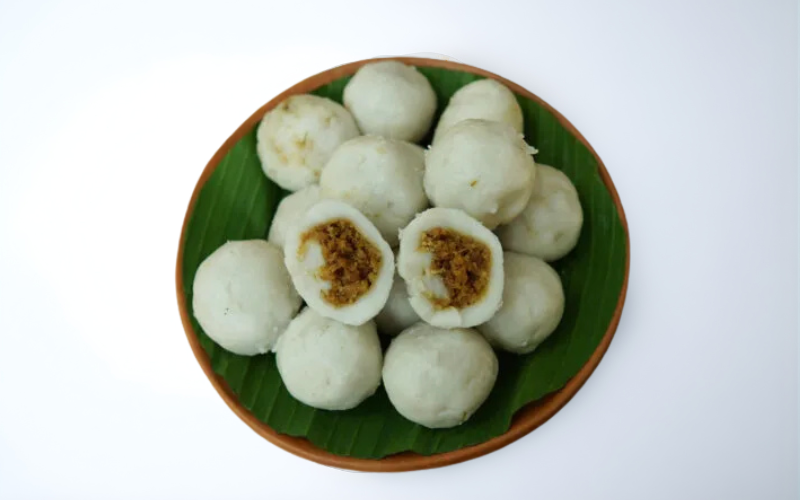
Kozhukattai is a beloved South Indian delicacy that holds a special place in Tamil cuisine and festival celebrations. These soft, pillowy rice dumplings are traditionally prepared during Ganesh Chaturthi and are offered as prasadam in temples across Tamil Nadu. Whether you’re craving the sweet richness of paal kozhukattai, the savory goodness of kara kozhukattai, or the simple elegance of uppu kozhukattai, this comprehensive kozhukattai recipe will guide you through creating these delightful treats at home.
Making kozhukattai from scratch might seem intimidating, but with the right technique and kozhukattai maavu (rice flour), even beginners can master this traditional recipe. The beauty of this dish lies in its versatility – you can prepare different varieties using the same base dough, making it perfect for special occasions or regular family meals, especially on kozhukattai Saturday when many South Indian households traditionally prepare these dumplings.
What is Kozhukattai in English?
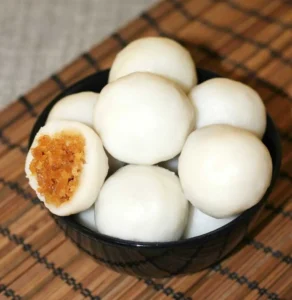
Kozhukattai in English is commonly referred to as “rice dumplings” or “steamed rice cakes.” These are small, ball-shaped or cylindrical preparations made from rice flour dough, either steamed or cooked in milk, and come in both sweet and savory variations.
Types of Kozhukattai
Before we dive into the recipe, let’s understand the different varieties:
| Type | Description | Main Ingredients |
|---|---|---|
| Paal Kozhukattai | Sweet dumplings cooked in milk | Rice flour, milk, jaggery/sugar |
| Kara Kozhukattai | Savory steamed dumplings with spiced filling | Rice flour, lentils, coconut, spices |
| Uppu Kozhukattai | Simple salt-flavored steamed dumplings | Rice flour, salt, sesame oil |
| Pidi Kozhukattai | Small, grain-shaped steamed rice balls | Rice flour, minimal seasoning |
| Ammini Kozhukattai | Tiny pearl-sized sweet dumplings | Rice flour, jaggery, coconut |
| Upma Kozhukattai | Dumplings mixed with upma-style seasoning | Rice flour, vegetables, spices |
| Aval Kozhukattai | Made with flattened rice (poha) | Beaten rice, jaggery, coconut |
Basic Kozhukattai Recipe (Uppu Kozhukattai)
Ingredients
For the Dough:
- 1 cup rice flour (preferably kozhukattai maavu or idiyappam flour)
- 1 cup water
- ½ teaspoon salt
- 1 teaspoon sesame oil
- 1 teaspoon ghee (optional)
For Tempering:
- 1 tablespoon oil
- 1 teaspoon mustard seeds
- 1 teaspoon urad dal
- 1 teaspoon chana dal
- 2-3 dried red chilies
- Few curry leaves
- A pinch of asafoetida (hing)
- 2 tablespoons grated coconut (optional)
Step-by-Step Instructions
Preparing the Dough:
- Boil the water: In a heavy-bottomed pan, bring 1 cup of water to a rolling boil. Add salt and sesame oil to the boiling water.
- Add rice flour: Reduce the heat to low and gradually add the rice flour while stirring continuously with a wooden spoon to prevent lumps from forming.
- Cook the mixture: Keep stirring for 2-3 minutes until the mixture comes together and forms a soft dough. The dough should leave the sides of the pan.
- Rest and knead: Turn off the heat, cover the pan, and let it rest for 5 minutes. Transfer to a plate and knead while it’s still warm (use a little oil on your hands to prevent sticking) until you get a smooth, pliable dough.
Shaping the Kozhukattai:
- Grease your hands: Apply a little oil to your palms to prevent the dough from sticking.
- Shape the dumplings: Take small portions of dough (about the size of a marble) and roll them into smooth balls or cylindrical shapes. You can also make them slightly elongated.
- Steam the dumplings: Place the shaped kozhukattai in a greased steamer or idli plates. Steam for 10-12 minutes on medium heat until they become glossy and firm.
Tempering:
- Prepare the seasoning: Heat oil in a pan, add mustard seeds and let them splutter. Add urad dal, chana dal, and sauté until golden. Add red chilies, curry leaves, and asafoetida.
- Combine: Add the steamed kozhukattai to the tempering, mix gently, and add grated coconut if using. Toss well and serve hot.
Paal Kozhukattai Recipe
This sweet variation is cooked in creamy, sweetened milk.
Additional Ingredients for Paal Kozhukattai:
- 2 cups full-fat milk
- ¼ cup jaggery or sugar (adjust to taste)
- ¼ teaspoon cardamom powder
- 2 tablespoons grated coconut
- A few saffron strands (optional)
- 1 tablespoon chopped nuts (cashews, almonds)
Preparation Steps:
- Prepare the kozhukattai dough as mentioned above and shape into tiny balls
- Boil milk in a heavy-bottomed pan, add jaggery or sugar and stir until dissolved
- Add the shaped dumplings to the boiling milk and cook on low heat for 10-12 minutes
- The dumplings will float when cooked and the milk will slightly thicken
- Add cardamom powder, saffron, and coconut
- Garnish with roasted nuts and serve warm
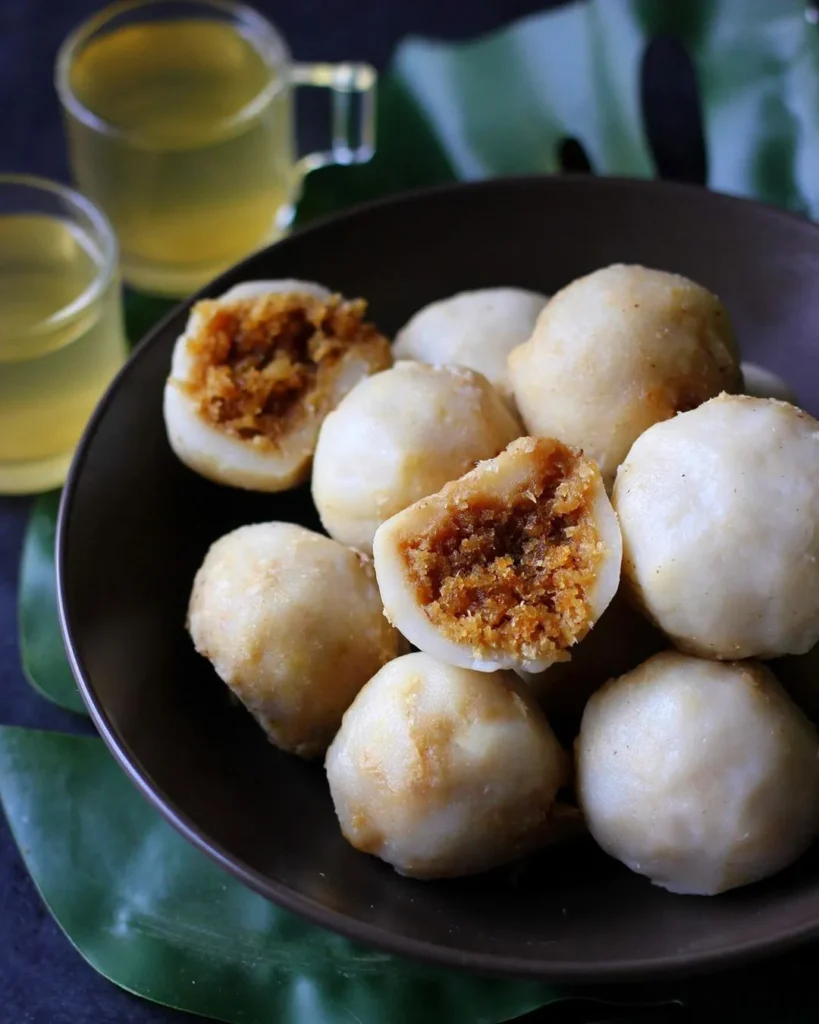
Kara Kozhukattai Recipe
A savory version with a spiced lentil and coconut filling.
Ingredients for Filling:
- ¼ cup chana dal (soaked for 30 minutes)
- ¼ cup grated coconut
- 2-3 dried red chilies
- 1 teaspoon sesame seeds
- Salt to taste
- Curry leaves
Method:
- Grind the soaked chana dal, coconut, chilies, sesame seeds, and salt into a coarse mixture
- Prepare the outer dough as mentioned in the basic recipe
- Take a small portion of dough, flatten it, place filling in the center, seal and shape
- Steam for 15 minutes and serve with tempering
Cooking Tips for Perfect Kozhukattai
- Use the right flour: Fresh kozhukattai maavu or idiyappam flour works best. Anil kozhukattai flour is a popular store-bought option that gives consistent results.
- Water temperature matters: Always add rice flour to boiling water, not lukewarm or cold water, to ensure proper cooking.
- Knead while warm: The dough is easiest to work with when it’s still warm but cool enough to handle.
- Prevent sticking: Keep your hands oiled while shaping to prevent the dough from sticking.
- Steam properly: Don’t overcrowd the steamer, and ensure there’s enough water for continuous steam.
- Size consistency: Keep the dumplings uniform in size for even cooking.
Nutritional Information
Kozhukattai Calories (Per Serving – 6 pieces)
| Nutrient | Approximate Value |
|---|---|
| Calories | 150-180 kcal |
| Carbohydrates | 32-35g |
| Protein | 3-4g |
| Fat | 2-4g |
| Fiber | 1-2g |
Note: Calorie count varies based on the type and ingredients used. Paal kozhukattai has more calories due to milk and sugar.
Serving Suggestions
- Serve uppu kozhukattai with coconut chutney or sambar
- Pair kara kozhukattai with hot filter coffee for an evening snack
- Enjoy paal kozhukattai as a dessert after meals
- Offer as prasadam during Ganesh Chaturthi celebrations
- Serve ammini kozhukattai with grated jaggery and coconut
Storage Tips
- Refrigeration: Store steamed kozhukattai in an airtight container in the refrigerator for up to 2 days
- Freezing: You can freeze uncooked shaped dumplings for up to a month. Steam directly from frozen, adding 2-3 extra minutes to cooking time
- Reheating: Steam for 2-3 minutes or microwave for 30-40 seconds with a splash of water
- Paal kozhukattai: Best consumed fresh as the milk may separate upon storage. Refrigerate for maximum 1 day
Recipe Variations
Regional Variations:
- Kerala Style Kozhukattai: Made with fresh grated coconut mixed into the dough
- Chettinad Style: With extra spices and curry leaves incorporated into the dough
- Sweet Kozhukattai: Jaggery and coconut mixed into the dough itself
Modern Twists:
- Chocolate Kozhukattai: Add cocoa powder to the dough for kids
- Vegetable Stuffed: Include finely chopped vegetables in the filling
- Masala Kozhukattai: Add chaat masala and sev as topping
Ingredient Substitutes
| Original Ingredient | Substitute |
|---|---|
| Rice flour | Wheat flour (texture will differ) |
| Jaggery | Brown sugar or regular sugar |
| Coconut | Desiccated coconut (soaked) |
| Sesame oil | Any cooking oil |
| Chana dal filling | Mashed potatoes or paneer |
Healthier Options
- Use brown rice flour for added fiber
- Reduce oil in tempering or use spray oil
- For paal kozhukattai, use low-fat milk and reduce sugar
- Add vegetables like carrots or peas to the filling for nutrients
- Use jaggery instead of sugar for natural sweetness and iron content
Expert Notes
Why is Kozhukattai Made on Saturday? In Tamil tradition, many families prepare kozhukattai on Saturday as an offering to Lord Ganesh and Goddess Lakshmi. This practice, known as “kozhukattai Saturday,” is believed to bring prosperity and remove obstacles.
Common Mistakes to Avoid:
- Adding flour to cold water results in lumpy dough
- Over-kneading makes the dough tough
- Under-steaming leaves the center uncooked
- Making them too large increases cooking time unevenly
Pro Tips from Traditional Cooks:
- A pinch of salt even in sweet versions enhances overall flavor
- Always taste-test one dumpling before shaping the entire batch
- The dough should be soft like earlobe consistency
- Fresh curry leaves make a significant difference in flavor
Frequently Asked Questions (FAQs)
1. What is the difference between pidi kozhukattai and ammini kozhukattai?
Pidi kozhukattai are slightly larger, savory rice dumplings usually tempered and served plain. Ammini kozhukattai are much smaller, pearl-sized dumplings, often sweetened with jaggery or coconut milk. Both are steamed but differ in size and taste.
2. Can I use store-bought rice flour instead of fresh kozhukattai maavu?
Yes, store-bought kozhukattai or idiyappam flour works well. Ensure it’s finely ground. Regular rice flour may be coarse, so sifting helps. Homemade flour gives better texture, but good-quality brands are convenient and reliable.
3. Why did my kozhukattai turn out hard and chewy instead of soft?
Kozhukattai turn hard due to insufficient hot water, over-kneading, over-steaming, or shaping after the dough cools. Always use boiling water, knead while warm, avoid excess steaming, and shape immediately for softness.
4. How can I prevent my paal kozhukattai from breaking apart in milk?
Use smooth, crack-free dumplings and gently boiling milk. Avoid vigorous stirring. Steaming dumplings briefly before adding to milk improves strength. Full-fat milk and low heat help prevent the dumplings from breaking apart.
5. Can I make kozhukattai in advance for a festival or party?
Conclusion
Making kozhukattai at home is a rewarding experience that connects you to South Indian culinary traditions. Whether you choose the simple uppu kozhukattai, the rich paal kozhukattai, or the flavorful kara kozhukattai, this versatile recipe offers something for everyone. With practice, you’ll master the art of creating these delightful dumplings that are perfect for festivals, special occasions, or regular family meals. Start with the basic recipe and gradually explore the various delicious variations to find your family’s favorite!
Read more
Burmese Atho Recipe: A Flavorful Indo-Burmese Street Food Delight