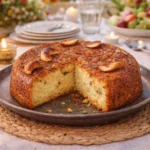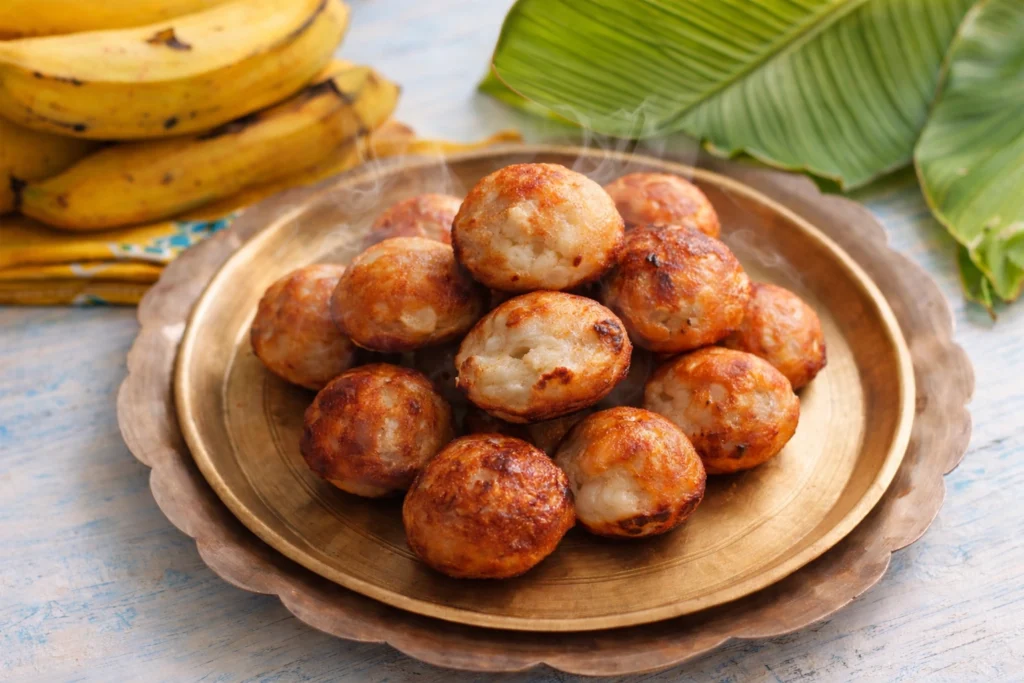
Koat pitha is a beloved traditional delicacy from the northeastern regions of India, particularly famous in Mizoram and Arunachal Pradesh. This simple yet flavorful steamed rice cake represents the culinary heritage of these beautiful states. Koat pitha Mizoram food is known for its soft, pillowy texture and subtle sweetness that comes from rice flour and jaggery. The beauty of this koat pitha recipe lies in its simplicity – requiring just a handful of ingredients that come together to create a comforting snack or breakfast option.
Whether you’re exploring regional Indian cuisines or looking for a healthy, homemade treat, learning how to make koat pitha will introduce you to the authentic flavors of northeastern India. This step by step guide will help you master this easy recipe, bringing the taste of Mizoram and Arunachal Pradesh right into your kitchen.
What is Koat Pitha?
Koat pitha is a traditional steamed rice cake that holds cultural significance in the northeastern states of India. The dish is particularly associated with koat pitha Mizoram and koat pitha Arunachal Pradesh, where it’s enjoyed during festivals, celebrations, and as an everyday snack.
Key Characteristics:
- Soft and fluffy texture
- Mildly sweet flavor
- Steamed preparation method
- Made primarily from rice flour
- Traditionally served warm
Koat pitha is famous in which state? While this delicacy is enjoyed across northeastern India, it’s most commonly associated with Mizoram and Arunachal Pradesh, where it remains a staple in local households.
Nutritional Value of Koat Pitha
Understanding the nutrients in koat pitha helps you appreciate this traditional dish even more. Here’s a breakdown of the koat pitha nutritional value:
| Nutrient | Per Serving (100g) |
|---|---|
| Calories | 180-200 kcal |
| Carbohydrates | 38-42g |
| Protein | 3-4g |
| Fat | 1-2g |
| Fiber | 1-2g |
| Iron | 0.5-1mg |
| Calcium | 15-20mg |
Health Benefits:
- Low in fat: Natural steaming method keeps it light
- Easy to digest: Gentle on the stomach
- Energy-rich: Perfect for breakfast or snacks
- Gluten-free option: When made with pure rice flour
Ingredients of Koat Pitha
The koat pitha ingredients are simple and easily available. Here’s what you’ll need for this authentic recipe:
Main Ingredients:
| Ingredient | Quantity | Purpose |
|---|---|---|
| Rice flour | 2 cups | Base ingredient |
| Jaggery (grated) | ¾ cup | Sweetener |
| Water | 1½ cups (warm) | For dough |
| Salt | ¼ teaspoon | Flavor enhancer |
| Grated coconut | ½ cup (optional) | Extra flavor |
| Cardamom powder | ½ teaspoon | Aromatic touch |
Optional Ingredients:
- Sesame seeds (for garnish)
- Banana leaves (for authentic steaming)
- Ghee (for serving)
Step by Step Guide: How to Make Koat Pitha
Follow this detailed koat pitha recipe to create perfect steamed rice cakes at home.
Preparation Time: 15 minutes
Cooking Time: 25-30 minutes
Total Time: 45 minutes
Servings: 6-8 pieces
Step 1: Prepare the Jaggery Syrup
- Heat ½ cup of water in a pan
- Add grated jaggery and stir until completely dissolved
- Strain the syrup to remove impurities
- Let it cool to warm temperature
Step 2: Make the Dough
- In a large mixing bowl, add rice flour and salt
- Pour the warm jaggery syrup into the flour
- Add remaining warm water gradually
- Mix well to form a smooth, lump-free batter
- The consistency should be like thick pancake batter
- Add cardamom powder and mix thoroughly
Step 3: Add Optional Ingredients
- If using coconut, fold it gently into the batter
- Ensure even distribution throughout
Step 4: Prepare Steaming Setup
- Fill a steamer or large pot with water
- Bring water to a rolling boil
- Grease small bowls or molds with oil
- If using banana leaves, line the bowls with them
Step 5: Steam the Koat Pitha
- Pour the batter into prepared molds (fill about ¾ full)
- Place molds in the steamer
- Cover with a tight-fitting lid
- Steam on medium-high heat for 20-25 minutes
- Check doneness by inserting a toothpick (it should come out clean)
Step 6: Cool and Serve
- Turn off heat and let it rest for 5 minutes
- Carefully remove from steamer
- Allow to cool slightly before unmolding
- Serve warm or at room temperature
Cooking Tips for Perfect Koat Pitha
- Flour quality matters: Use fine rice flour for smooth texture
- Strain jaggery syrup: This removes impurities and ensures smooth batter
- Right consistency: The batter should coat the back of a spoon
- Don’t overfill: Leave space for the pitha to rise during steaming
- Consistent heat: Maintain steady steam throughout cooking
- Test before removing: Always check with a toothpick or knife
- Grease properly: This prevents sticking and makes unmolding easier
Serving Suggestions
Koat pitha can be enjoyed in various delightful ways:
Traditional Ways:
- Serve warm with a drizzle of ghee
- Pair with hot chai or coffee
- Enjoy plain to appreciate authentic flavors
Modern Twists:
- Top with fresh coconut cream
- Serve alongside fruit compote
- Drizzle with honey or maple syrup
- Pair with vanilla ice cream for dessert
Best Enjoyed:
- As a breakfast dish
- Evening snack with tea
- Festival celebrations
- Special family gatherings
Storage Tips
Room Temperature:
- Store in an airtight container
- Keeps fresh for 1-2 days
- Keep in a cool, dry place
Refrigeration:
- Store in sealed container for up to 5 days
- Reheat by steaming for 5 minutes
- Microwave for 30-40 seconds (covered)
Freezing:
- Wrap individually in plastic wrap
- Store in freezer bags for up to 1 month
- Thaw at room temperature before reheating
Variations of Koat Pitha Recipe
1. Savory Koat Pitha
Replace jaggery with salt and add:
- Finely chopped green chilies
- Grated ginger
- Chopped coriander leaves
2. Chocolate Koat Pitha
- Add 2 tablespoons cocoa powder to the batter
- Use brown sugar instead of jaggery
- Top with chocolate chips
3. Nutty Version
- Add crushed cashews or almonds
- Mix in raisins for extra sweetness
- Sprinkle with pistachios on top
4. Banana Koat Pitha
- Add mashed ripe banana to the batter
- Reduces jaggery quantity slightly
- Provides natural sweetness and moisture
Ingredient Substitutes
| Original Ingredient | Substitute | Notes |
|---|---|---|
| Rice flour | Wheat flour | Changes texture, not gluten-free |
| Jaggery | Brown sugar | Use equal amount |
| Jaggery | Coconut sugar | Slightly different flavor |
| Fresh coconut | Desiccated coconut | Soak in warm water first |
| Cardamom | Vanilla extract | Use ½ teaspoon |
| Water | Coconut milk | Richer flavor |
Expert Notes About Koat Pitha
From the Kitchen of Northeastern Cuisine:
- Authenticity: Traditional koat pitha food of Arunachal Pradesh and Mizoram uses freshly ground rice flour for the best texture
- Temperature matters: Using warm water helps bind the ingredients better and creates a smoother batter
- Steaming technique: The key to soft koat pitha is maintaining consistent steam without lifting the lid frequently
- Regional variations: Different communities add their own touches – some prefer it sweeter, others like it plain
- Cultural significance: This dish is often prepared during harvest festivals and represents the agricultural heritage of northeastern India
Why This Koat Pitha Recipe Works
This easy recipe focuses on achieving the perfect balance of texture and flavor. The combination of rice flour and jaggery creates a naturally sweet, wholesome treat that’s both satisfying and nutritious. The steaming method preserves the nutrients while keeping the dish light and digestible.
About koat pitha, it’s important to note that this isn’t just food – it’s a connection to the rich cultural traditions of Mizoram and Arunachal Pradesh. Making this at home allows you to experience authentic northeastern Indian flavors while enjoying a healthy, homemade snack.
Frequently Asked Questions (FAQs)
1. What is koat pitha and where does it come from?
Koat pitha is a traditional steamed rice cake from Mizoram and Arunachal Pradesh in Northeast India. Made with rice flour and jaggery, it’s commonly enjoyed during festivals, special occasions, and as a simple homemade snack.
2. Can I make koat pitha without a steamer?
Yes, koat pitha can be made without a steamer using a covered pot with a colander, a pressure cooker without the whistle, an Instant Pot, or even a microwave, as long as proper steam or moisture is maintained.
3. How do I know when koat pitha is fully cooked?
Koat pitha is fully cooked when a toothpick inserted comes out clean, the surface looks dry, and the cake slightly pulls away from the mold. Steaming usually takes around 20–25 minutes, depending on size and heat.
4. Can I make koat pitha healthier or suitable for special diets?
Yes, you can reduce jaggery, use natural sweeteners, add seeds for fiber, or skip ghee for a vegan version. Koat pitha is naturally gluten-free and can be adapted for diabetic or low-calorie diets.
5. Why is my koat pitha turning out dense or hard instead of soft and fluffy?
Read more
How to Make Traditional Chenna Poda – Odisha’s Famous Sweet at Home