Disclaimer: This post may contain affiliate links, which means we may earn a small commission if you make a purchase through them, at no additional cost to you. All opinions are our own.
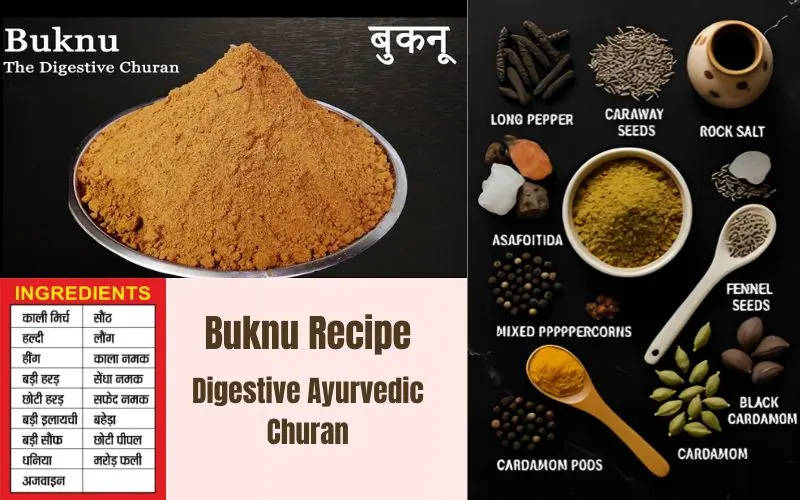
Buknu (also called Buknu masala or Buknu churan) is an ancient powdered spice mix popular in Uttar Pradesh (especially Kanpur, Varanasi regions), known for its earthy, tangy, digestive properties. It’s a versatile Ayurvedic churan used as a condiment – sprinkle on roti, paratha, dal, fruits, salads, or mix with ghee for pooris. It aids digestion, reduces bloating, and adds a unique sour-spicy-musky flavor.
As a Jaipur home cook who loves exploring North Indian regional masalas (tested variations 3-4 times for balanced taste and shelf life), this Buknu recipe draws from traditional UP family methods – rich in triphala-like herbs (harad, baheda, amla) for gut health. It’s vegan, gluten-free, and stores for months!
Yield: ~800g-1kg powder | Prep: 20-30 min | Shelf life: 6-12 months in airtight jar.
Prep/Cook Info
| Item | Details |
|---|---|
| Prep Time | 20-30 minutes |
| Cook Time | 10-15 minutes (roasting) |
| Total Time | 45 minutes (incl. cooling) |
| Yield | ~800g-1kg powder |
| Difficulty | Easy |
Ingredients
Main Spices & Herbs (roast lightly):
- 50g badi harad (big myrobalan/terminalia chebula)
- 50g choti harad (small harad)
- 50g baheda (terminalia bellirica)
- 50g dry amla (Indian gooseberry)
- 25g cumin seeds (jeera)
- 25g carom seeds (ajwain)
- 25g fennel seeds (saunf)
- 25g black peppercorns
- 25g brown cardamom (badi elaichi)
- 25g dry ginger powder (saunth) or pieces
Salt & Powders:
- 250g plain salt
- 125g black salt (kala namak)
- 50g saindha namak (rock salt/lahori salt)
- 75g turmeric powder (haldi)
Extras (optional for deeper flavor):
- 10-20g hing (asafoetida) – small piece or powder
- 25g long pepper (pipli) or marod phali
- 1-2 tsp mustard oil (for traditional roasting aroma)
Nutrition Breakdown (approx. per 1 tbsp serving):
| Nutrient | Amount | % Daily Value |
|---|---|---|
| Calories | 20-30 kcal | 1% |
| Carbs | 5g | 2% |
| Protein | 1g | 2% |
| Fat | 0.5g | 1% |
| Fiber | 2g | 8% |
Step-by-Step Instructions
- Clean all whole spices/herbs: Remove any impurities from harad, baheda, amla, etc.
- Lightly roast: In a heavy kadai or pan on low-medium flame, dry roast whole items like badi/choti harad, baheda, dry amla, cumin, ajwain, fennel, black pepper, brown cardamom, saunth (if whole) for 5-8 min until fragrant and slightly darker. Stir constantly to avoid burning.
- Roast turmeric separately: In same pan (or separate), lightly roast turmeric powder 1-2 min (enhances color/flavor).
- Cool completely: Spread on plate; let cool 20-30 min.
- Grind: In mixer grinder, grind in batches – first whole roasted items to coarse powder, then mix with salts and turmeric. Grind to fine or semi-fine powder (traditional is slightly coarse for texture).
- Sieve: Pass through fine sieve for smooth consistency; re-grind coarse bits.
- Optional tadka aroma: Heat little mustard oil, add pinch hing; cool and mix in (traditional touch).
- Store: Cool fully; store in airtight glass/plastic jar in cool, dry place.
- Use: Sprinkle ½-1 tsp on food, or mix with ghee for paratha/puri.
Cooking Tips
- Roast on low flame – prevents burning and bitterness.
- Use clean, dry spices for longer shelf life (up to 1 year).
- Grind in small batches for even powder.
- Traditional Buknu is coarse; fine for easier sprinkling.
- Adjust salts – black salt gives tangy-eggy flavor, key for authenticity.
- For medicinal use: ½ tsp with warm water post-meal for digestion.
Serving Ideas
- Sprinkle on roti/paratha/puri with ghee.
- Mix in dal, sabzi, or khichdi.
- On fruits/salad/chaat for tangy kick.
- With curd rice or yogurt.
- As digestive aid: ½ tsp after heavy meals.
Storage & Reheating Tips
- Store airtight: Cool, dry place – lasts 6-12 months.
- No refrigeration needed.
- If clumpy: Dry roast lightly to refresh.
Variations & Substitutes
| Original Ingredient | Variation/Substitute | Why It Works |
|---|---|---|
| Badi/choti harad | Skip or use triphala powder | Core triphala for digestion |
| Black salt | More plain salt | Less tangy if preferred |
| Mustard oil | Skip or use ghee | For aroma without strong flavor |
| Full recipe | Add vidanga/marud phali | Enhanced Ayurvedic benefits |
| Mild version | Reduce turmeric/chilies | For kids or less spicy |
Healthier Options & Nutrition
Ayurvedic digestive aid (aids gut health, immunity). Naturally low-cal, high in antioxidants from amla/harad. Use sparingly due to high salt.
Expert Notes
- Buknu originated in Kanpur/UP – “buknu” from grinding sound.
- Key: Triphala (harad, baheda, amla) + salts for digestion.
- Common mistake: Over-roasting – makes bitter.
- Traditional 30+ ingredients; this simplified authentic version works great.
- Great for Jaipur winters – sprinkle on ghee roti!
- Customize – some add hing heavily for flavor.
Conclusion
This authentic Buknu masala recipe revives an ancient UP Ayurvedic treasure – tangy, digestive, and flavorful spice powder perfect for everyday meals or health. Make a batch at home, store for months, and sprinkle on your favorite foods for that special desi touch! Try it soon – share how you use it in comments!
FAQs
What is Buknu?
Buknu is a traditional powdered spice mix/churan from Uttar Pradesh (Kanpur/Varanasi), made with salts, turmeric, triphala herbs, and spices – used as digestive condiment.
How to use Buknu masala?
Sprinkle ½-1 tsp on roti, paratha, dal, fruits, or mix with ghee – enhances flavor and aids digestion.
Is Buknu healthy?
Yes – Ayurvedic benefits for gut health, bloating relief, immunity from harad/baheda/amla; high salt so use moderately.
Can I make Buknu without roasting?
Roasting enhances aroma/flavor; dry roast lightly for best results.
How long does homemade Buknu last?
6-12 months in airtight jar in cool, dry place – no fridge needed.
Difference between Buknu and chaat masala?
Buknu is saltier, earthier with triphala herbs for digestion; chaat masala is tangier with amchur/mango powder focus.
Is Buknu vegan/gluten-free?
Yes – all plant-based and gluten-free.
Why add different salts in Buknu?
Black salt for tangy flavor, saindha for minerals, plain for balance – traditional for taste and health.
If you are a food lover, visit our blog website therecipetaste.com.