Scroll through any wellness feed in 2026 and you’ll run into the same word again and again: microdosing. It gets attached to everything from morning supplement routines to cutting-edge weight loss medications. But what does microdosing actually mean — and is it something worth paying attention to, or just another internet health fad?
Here’s a clear, hype-free breakdown.
Microdosing, Defined
At its simplest, microdosing means taking a much smaller amount of a substance than the standard or typical dose— small enough that you’re aiming for subtle, background benefits rather than the full, pronounced effect.
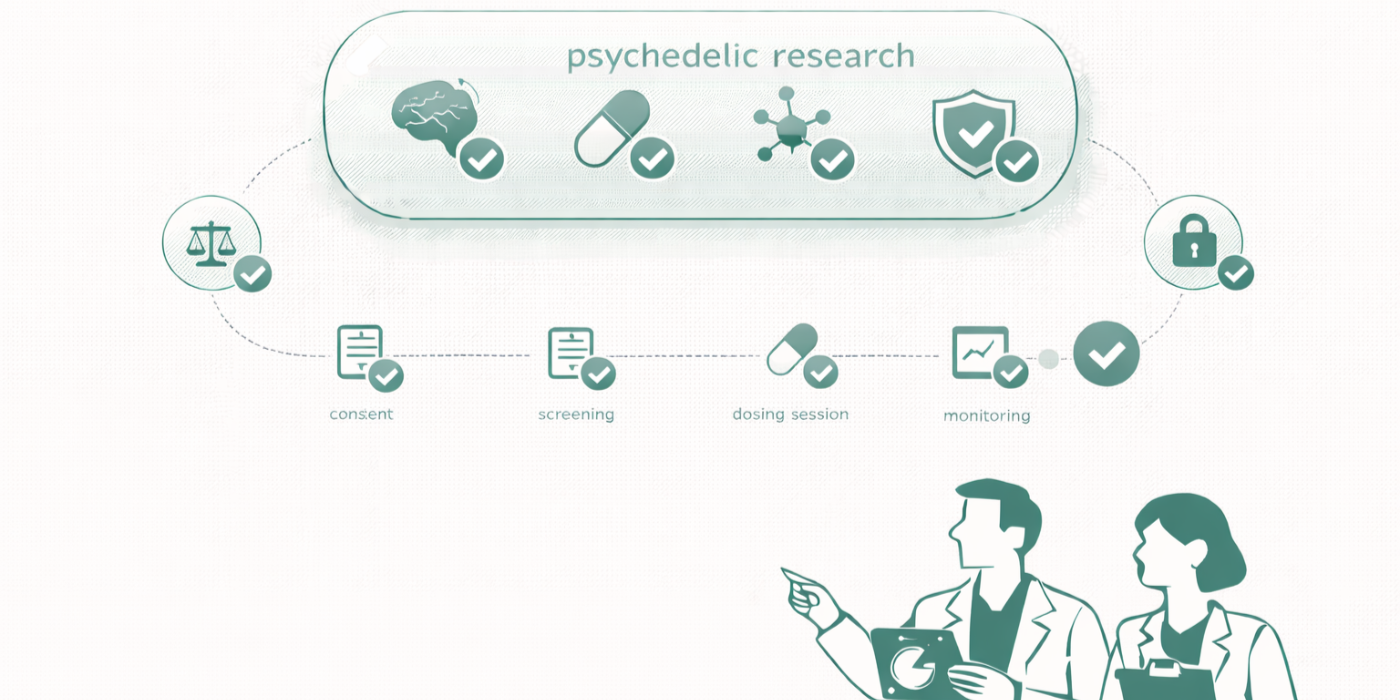
The term originally entered pop culture through the world of psychedelics, but it has since spread across the wellness landscape. Today people talk about microdosing caffeine (tiny amounts spread through the day instead of a giant morning cup), microdosing exercise (“movement snacks” of a few minutes at a time), microdosing retinol in skincare, and — the biggest conversation of all right now — microdosing GLP-1 weight loss medications like semaglutide and tirzepatide.
That last one is where the trend gets serious, because it involves real prescription medicine. So let’s focus there.
What Is GLP-1 Microdosing?
GLP-1 medications — the class behind household names like Ozempic, Wegovy, Mounjaro, and Zepbound — work by mimicking a natural gut hormone that regulates appetite and blood sugar. At standard doses, they’ve helped patients in clinical trials lose 15–20% of their body weight. If you want the full background on how these medications work, this guide to doctor-prescribed GLP-1 weight loss treatment covers the essentials.
Microdosing GLP-1s means taking a fraction of the standard FDA-approved dose — sometimes half of the usual starting dose or less. People who microdose typically fall into a few camps:
- Side-effect management. Lower doses tend to mean less nausea and digestive discomfort, which are the most common reasons people quit GLP-1s.
- Maintenance mode. People who’ve already lost weight sometimes drop to a small dose to help keep it off.
- Cost stretching. Smaller doses make a monthly supply last longer.
- “Wellness” dosing. A newer crowd takes tiny doses hoping for appetite “quieting,” reduced inflammation, or metabolic benefits — claims that are popular on social media but not yet well proven.
Does Microdosing Actually Work?
Here’s the honest answer: the evidence is thin. The dramatic weight loss results you’ve read about came from clinical trials using full, standardized doses. Lower doses generally produced more modest results — in some studies, barely distinguishable from placebo. Some individuals (so-called “super responders”) do seem to get meaningful appetite control from small doses, but there’s no way to know in advance if that’s you.
What is well established is that GLP-1 dosing is meant to be gradual anyway. Every patient starts at a low dose that’s slowly increased over weeks or months — a process called titration. In that sense, everyone on a properly managed GLP-1 program starts out “microdosing” under medical supervision. The difference is whether the dose escalates according to a clinical plan or stays low based on guesswork.
The Risks of DIY Microdosing
The biggest problem with the microdosing trend isn’t the concept — it’s the do-it-yourself execution. Health experts consistently flag a few dangers:
- Dosing errors. Injection pens aren’t designed to deliver partial doses. “Click counting” hacks can easily deliver too much or too little.
- Subtherapeutic results. A dose too small to work means months of money spent with nothing to show for it.
- Expired medication. Stretching a pen or vial past its use-by window compromises both safety and potency.
- No medical oversight. Adjusting prescription medication without a clinician means nobody is monitoring your response, side effects, or overall health.
In short: the danger isn’t small doses — it’s small doses without a doctor involved.
The Smarter Way: Low-Dose, Physician-Guided Treatment
If the idea of a gentler, lower-dose approach to weight loss appeals to you, you don’t need to hack an injection pen at your kitchen counter. Telehealth programs now make physician-supervised GLP-1 treatment accessible and affordable — Strida Health, for example, offers doctor-prescribed weight loss programs from $159/month with ongoing physician oversight, unlimited provider messaging, and medication shipped to your door.
With a licensed provider managing your plan, you get the benefits people chase through microdosing — a gradual ramp-up, minimized side effects, a dose tailored to your body — with none of the guesswork. If treatment is appropriate for you, your dose can be adjusted properly over time based on how you actually respond.
The Bottom Line
Microdosing is less a single practice than a philosophy: smaller amounts, subtler effects, more sustainability. Applied to coffee or exercise, it’s harmless experimentation. Applied to prescription weight loss medication, it’s something that should only ever happen with a licensed physician in the loop.
Curious whether a medically supervised GLP-1 program is right for you? A 3-minute online assessment is all it takes to find out if you qualify.
This article is for informational purposes only and is not medical advice. Prescription medications require an evaluation by a licensed healthcare provider. Never adjust the dose of any prescription medication without consulting your prescriber.